
Christian prayer
Christian prayer includes fixed hours, gestures, and the Lord's Prayer.

Anupam · CC BY-SA 4.0
Christian prayer is an important activity in Christian piety, encompassing several different forms. Prayers may be spontaneous or read from written texts such as a breviary, which contains the canonical hours observed at fixed times. Common prayer gestures include folding hands, bowing the head, kneeling, and prostration.
- field
- Christian piety and liturgy
- known_for
- Lord's Prayer, seven fixed prayer times, canonical hours
- gestures
- Folding hands, bowing head, kneeling, prostration
- settings
- Corporate (public) and private
Lore & Background
The most prominent prayer among Christians is the Lord's Prayer, which according to the gospel accounts (e.g. Matthew 6:9-13) is how Jesus taught his disciples to pray. The injunction for Christians to pray the Lord's Prayer thrice daily was given in Didache 8, 2 f., which was influenced by the Jewish practice of praying thrice daily found in the Old Testament, specifically in Psalm 55:17 and Daniel 6:10. Early Christians prayed the Lord's Prayer three times a day, though the Didache does not specify the exact hours of 9 am, 12 pm, and 3 pm; some later traditions associated these times with Christ's Passion. While some Lutheran and Anglican churches may ring bells to call the faithful to prayer, it is not a widespread or standard practice to ring bells specifically for reciting the Lord's Prayer three times daily. From the time of the Early Church, the practice of seven fixed prayer times has been taught; in Apostolic Tradition, Hippolytus instructed Christians to pray seven times a day 'on rising, at the lighting of the evening lamp, at bedtime, at midnight, and at the third, sixth, and ninth hours of the day, being hours associated with Christ's Passion.' The lighting of the evening lamp is a separate prayer tradition, not counted among the seven fixed times. Before praying, they wash their hands and face; shoes are removed. It is customary for women to wear a Christian headcovering when praying. Many Christians have historically hung a Christian cross on the eastern wall of their houses to indicate the eastward direction of prayer.
Reader's Guide
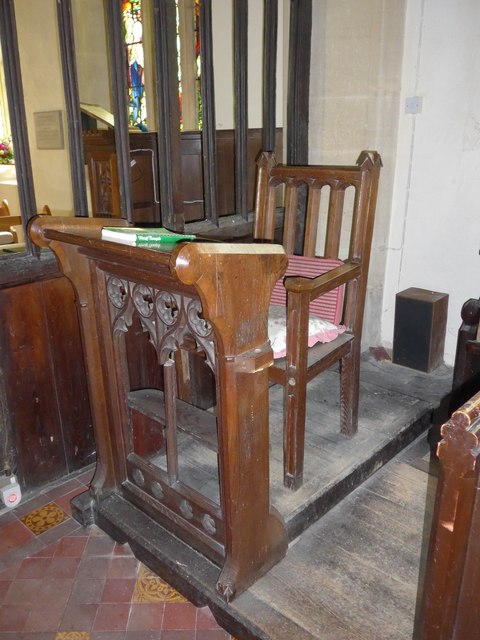
Christian prayer has shaped both individual devotion and corporate worship across denominations. The Lord's Prayer, taught by Jesus, remains central and is recited thrice daily by many, following early Christian practice rooted in Jewish tradition. Church bells summon the faithful to these hours. Two basic settings—corporate and private—accommodate formal written prayers (e.g., Lutheran Service Book, Book of Common Prayer) and spontaneous prayers. Private prayer often uses a prie-dieu or home altar; Eastern Christians keep icon corners. Spontaneous prayer follows the A.C.T.S. form (adoration, contrition, thanksgiving, supplication). The practice of constant prayer, emerging from early monastic communities, led to meditative traditions: Lectio Divina in the West and hesychasm in the East, the latter involving repetition of the Jesus Prayer. These developments underscore prayer's role as a foundational Christian discipline, linking scripture, liturgy, and personal piety.
Did You Know?
- The Lord's Prayer is the most prominent Christian prayer and was taught by Jesus according to Matthew 6:9-13.
- Early Christians prayed the Lord's Prayer thrice daily, as instructed in Didache 8, 2-3, though the exact hours of 9 am, 12 pm, and 3 pm are not specified there.
- Hippolytus in Apostolic Tradition instructed Christians to pray seven times a day: on rising, at the lighting of the evening lamp, at bedtime, at midnight, and at the third, sixth, and ninth hours.
- Oriental Orthodox Christians use the Agpeya and Shehimo to pray seven times daily while facing eastward.
The Lord's Prayer as the Heart of Christian Devotion
The Lord's Prayer stands as the most prominent prayer in the Christian tradition, rooted in the gospel accounts where Jesus instructs his disciples in how to pray. Its daily rhythm traces back to the Didache, which commanded Christians to pray it three times a day. This thrice-daily pattern was not invented in a vacuum; it drew directly from Jewish practice recorded in the Old Testament. Psalm 55:17 references prayer at evening, morning, and noon, while Daniel 6:10 depicts the prophet praying three times daily. Early Christians settled on 9 am, 12 pm, and 3 pm as their fixed hours, effectively replacing the Amidah that had dominated Hebrew worship. The tradition persists in Lutheran and Anglican parishes, where church bells still ring three times a day from their towers, calling the faithful to gather and recite the words Jesus gave his followers.
The Seven Canonical Hours and Eastern Worship
From the earliest centuries, the Church taught a rhythm of seven fixed prayer times. Hippolytus, in the Apostolic Tradition, directed believers to pray on rising, at the lighting of the evening lamp, at bedtime, at midnight, and at the third, sixth, and ninth hours—times he linked to Christ's Passion. This sevenfold pattern echoes Psalm 119:164, where David declares he prays to God seven times a day. In Oriental Orthodox communities, including Coptic and Indian Christians, this discipline lives on through breviaries like the Agpeya and Shehimo. Before praying, worshippers wash their hands and face to present themselves in cleanliness before God, remove their shoes as a sign of standing before the holy, and face eastward in anticipation of Christ's Second Coming. Women traditionally wear a headcovering, and many families hang a cross on the eastern wall to mark the direction of prayer. Church bells continue to summon the faithful at each of these seven hours.
Corporate and Private Dimensions of Prayer
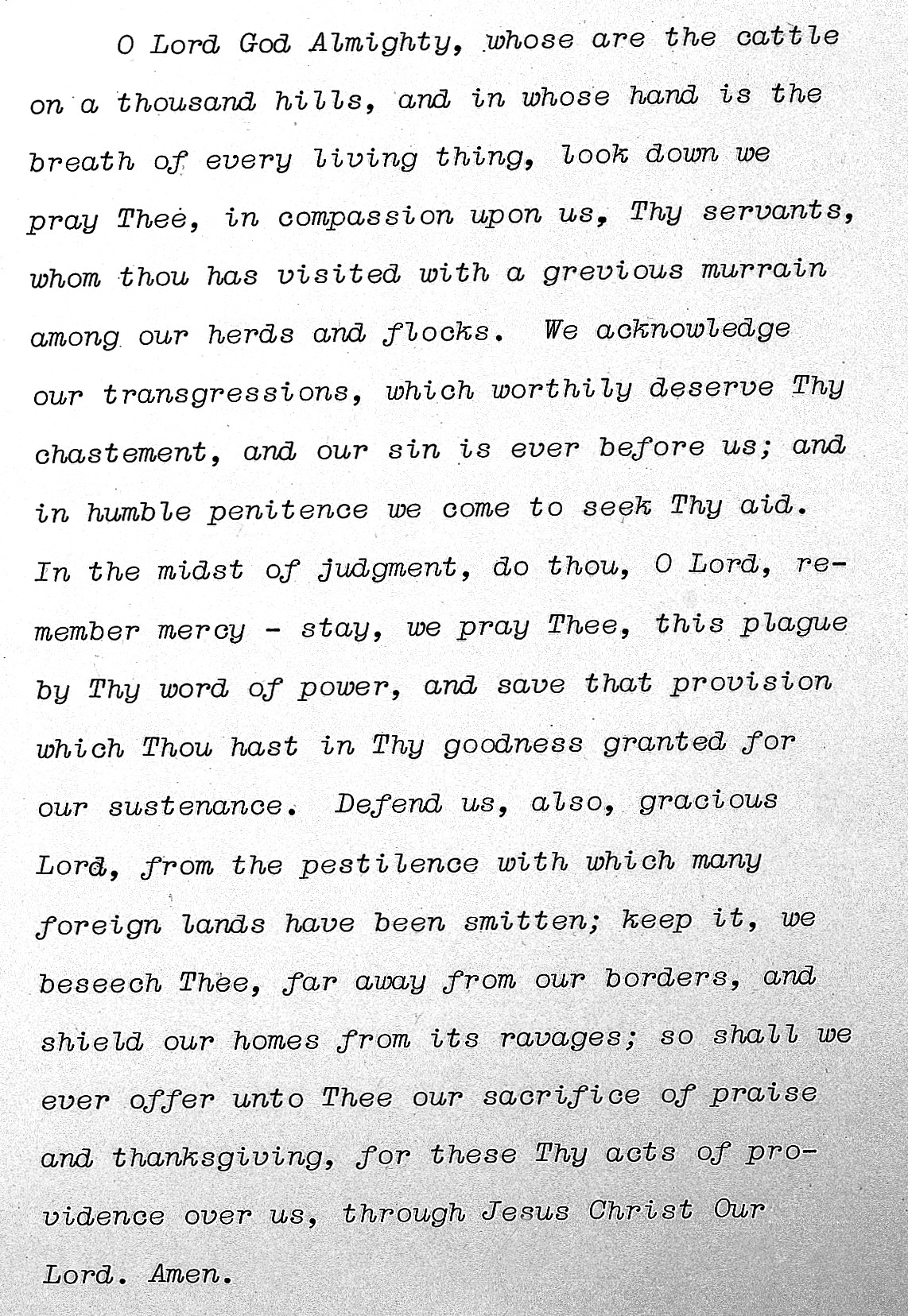
Christian prayer unfolds in two fundamental settings: the corporate and the private. In corporate prayer, the gathered community lifts its voice in worship, particularly on the Lord's Day. These prayers range from the formal liturgies found in the Lutheran Service Book and the Book of Common Prayer to the spontaneous, extemporaneous prayers offered at Methodist camp meetings. Private prayer, by contrast, takes place in the home, whether silently or aloud, often guided by a daily devotional or prayer book. Western Christians have historically used the prie-dieu, a small kneeling bench, and many homes maintain a dedicated altar space. In Eastern Christianity, believers keep icon corners on the eastern wall of their houses as focal points for prayer. Among Old Ritualists, a prayer rug called a Podruchnik is laid out to keep the face and hands clean during prostrations, since those body parts are used to trace the sign of the cross. Spontaneous private prayer often follows the A.C.T.S. structure: adoration, contrition, thanksgiving, and supplication.
New Testament Roots and the Early Church's Prayer Life
The New Testament presents prayer not as optional but as a positive divine command, citing passages like Colossians 4:2 and 1 Thessalonians 5:17. Even in the busy struggles of marriage, believers are urged to keep prayer alive. The apostles treated prayer as indispensable to their lives, and the Book of Acts shows it present from the very first moments of the Church. The New Testament is rich with prayers and canticles: the Magnificat, the Benedictus, Jesus' high-priestly prayer in John 17, Stephen's dying words, and the cry Maranatha. In the early Church, worship and doctrine were inseparable, captured in the principle lex orandi, lex credendi—the law of belief is the law of prayer. By the third century, Origen had developed the concept of Scripture as a sacrament, and his methods of interpreting and praying over Scripture were passed to Ambrose of Milan, who in turn taught them to Augustine of Hippo, creating a lineage of prayer-theology that shaped Western Christianity.
Gallery
Frequently Asked Questions
What is Christian prayer?
Christian prayer is a central act of devotion within Christian piety and liturgy, taking both spontaneous and structured forms. It can be prayed privately or in corporate (public) settings, and may be delivered freely or read from written liturgical texts such as a breviary.
What physical gestures are part of Christian prayer?
Common prayer gestures include folding the hands, bowing the head, kneeling, and full prostration. These bodily postures accompany both personal and communal prayer across Christian traditions.
What role does the Lord's Prayer play in Christian practice?
The Lord's Prayer is the most widely recognized prayer in Christianity and serves as a foundational model for both personal and corporate devotion. It is frequently recited in liturgical settings and is considered a key text within the broader tradition of Christian prayer.
Which early texts shaped Christian prayer practice?
The Didache and the Apostolic Tradition are among the earliest written sources that outline structured Christian prayer, including fixed times and communal formats. Biblical references such as Daniel 6:10 also inform the tradition of praying at set intervals throughout the day.
More in Christian Theology 25-36
Elsewhere in the Christian Theology universe
Spotted an error? Know more?
This is a living reference — every entry is fact-audited, and reader corrections feed straight into our audit queue. Suggest an edit · See this site's audit record