
Adoration
A historical act of homage or worship across cultures.

Marsilar · CC BY-SA 4.0
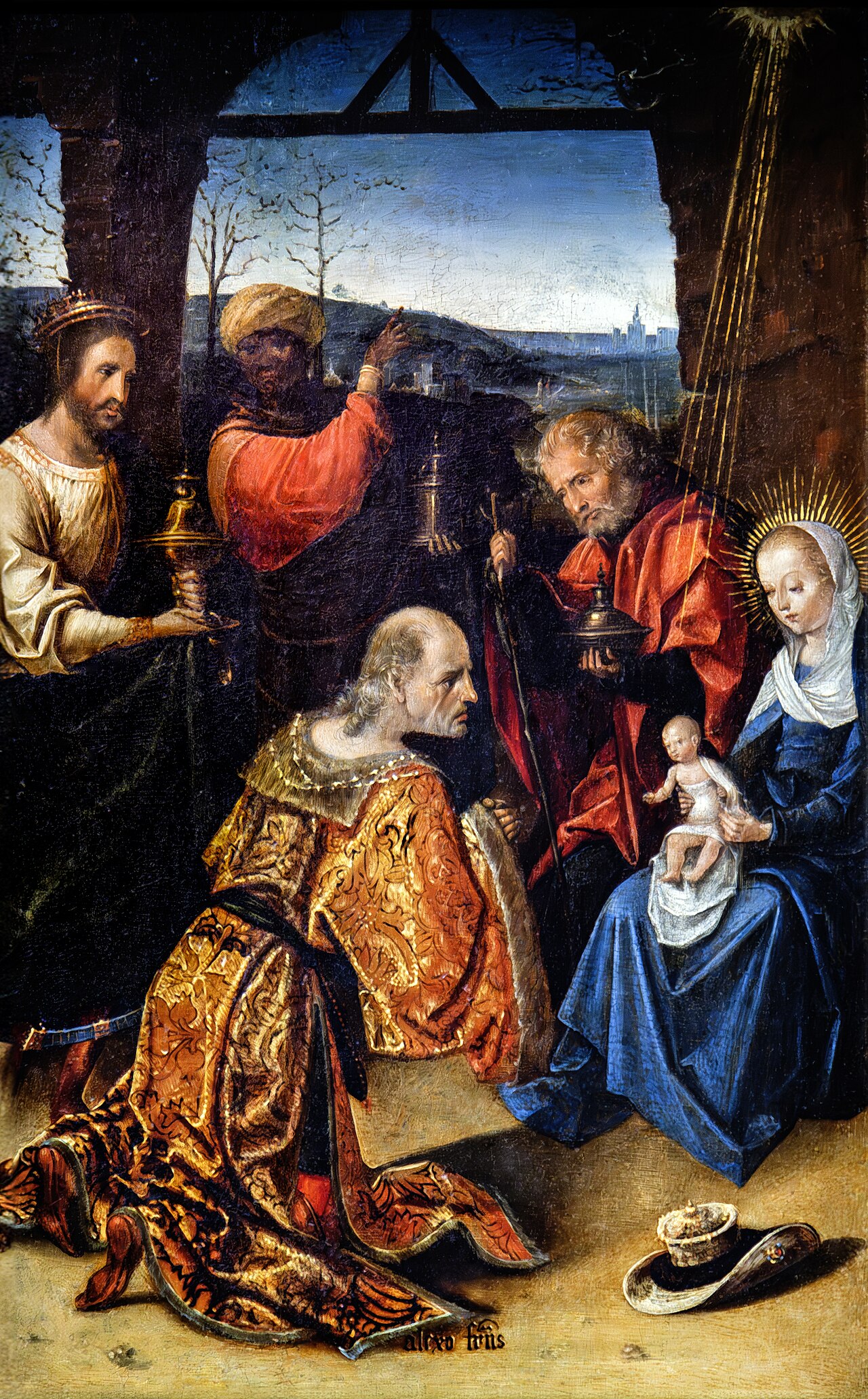
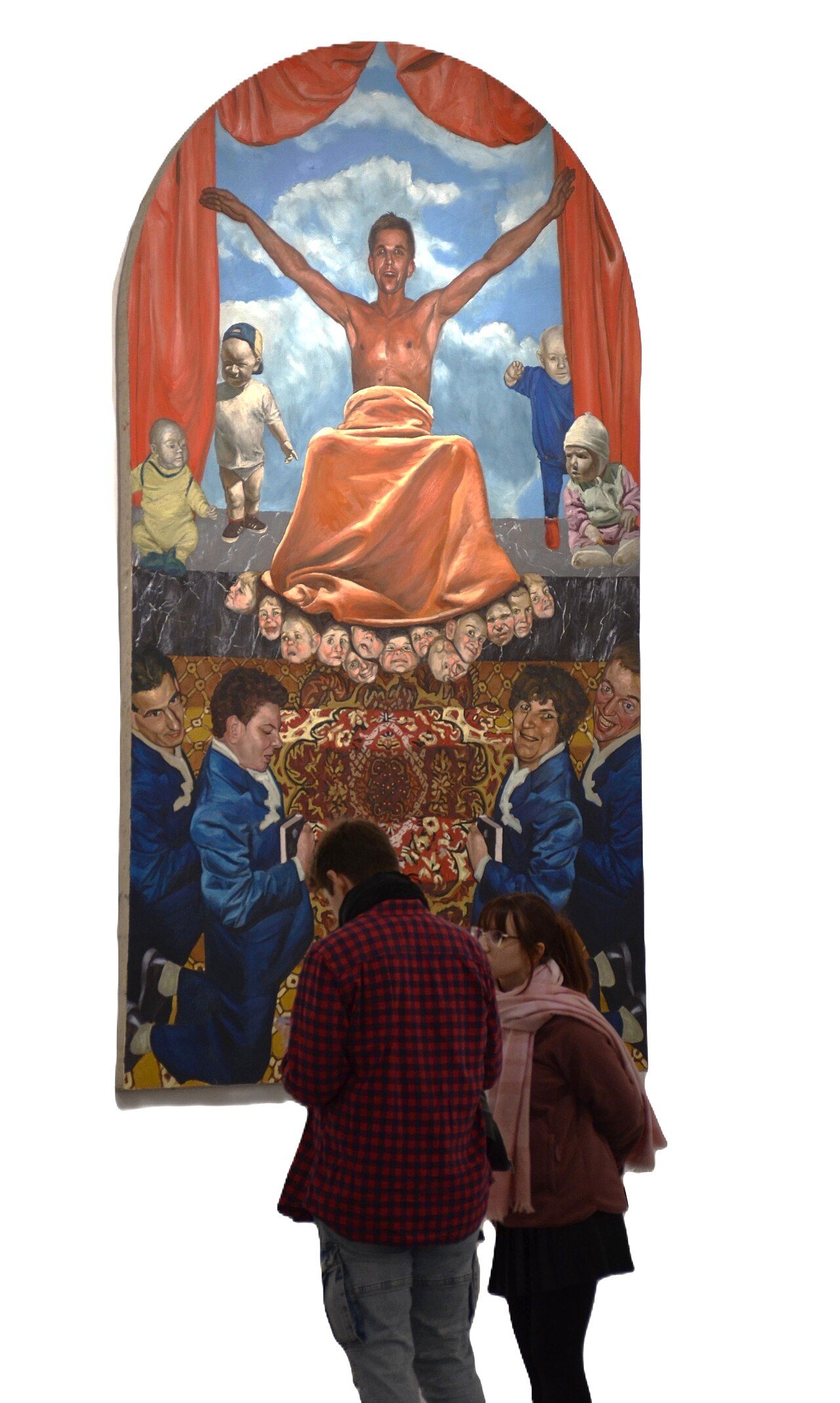
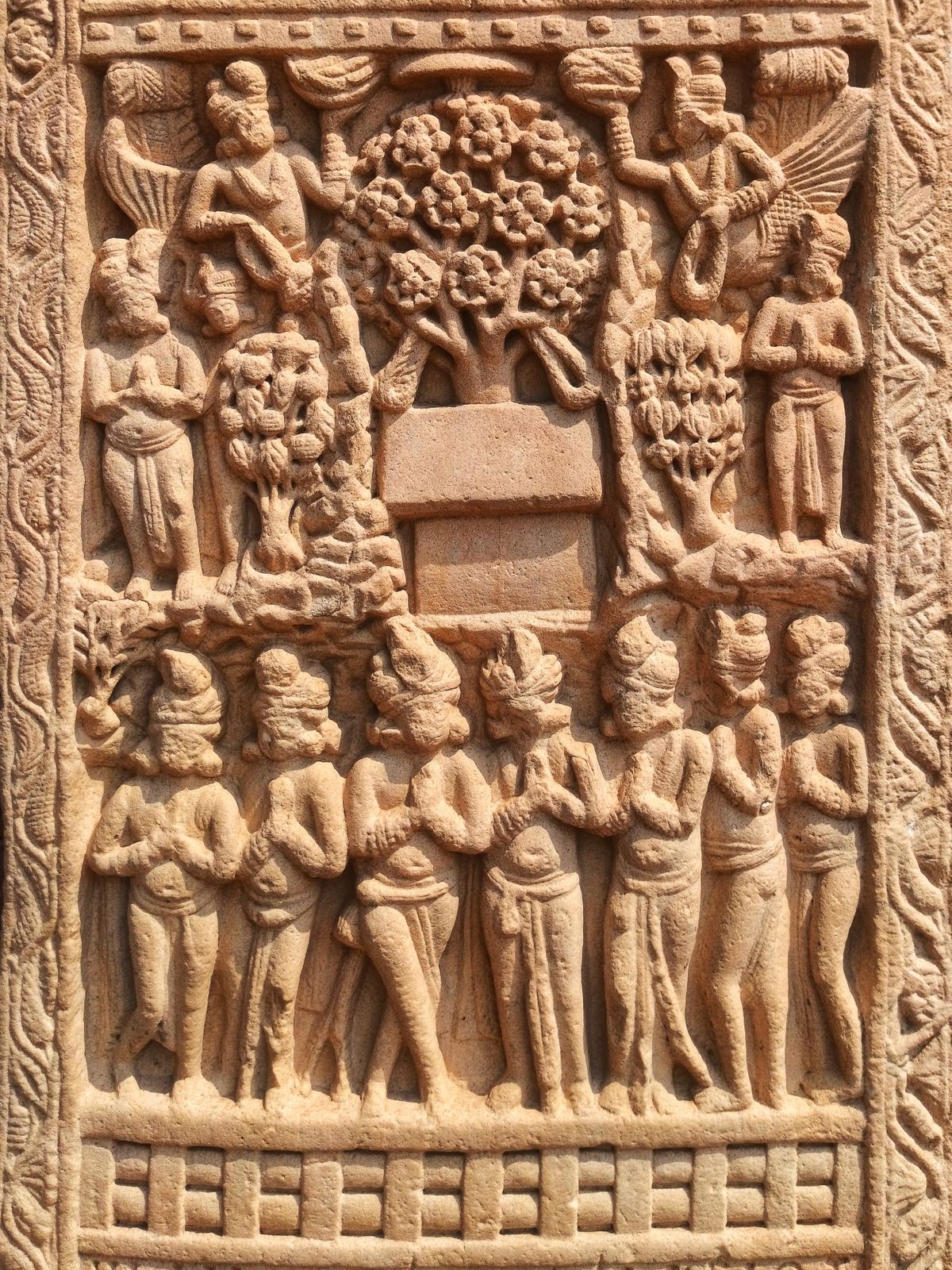
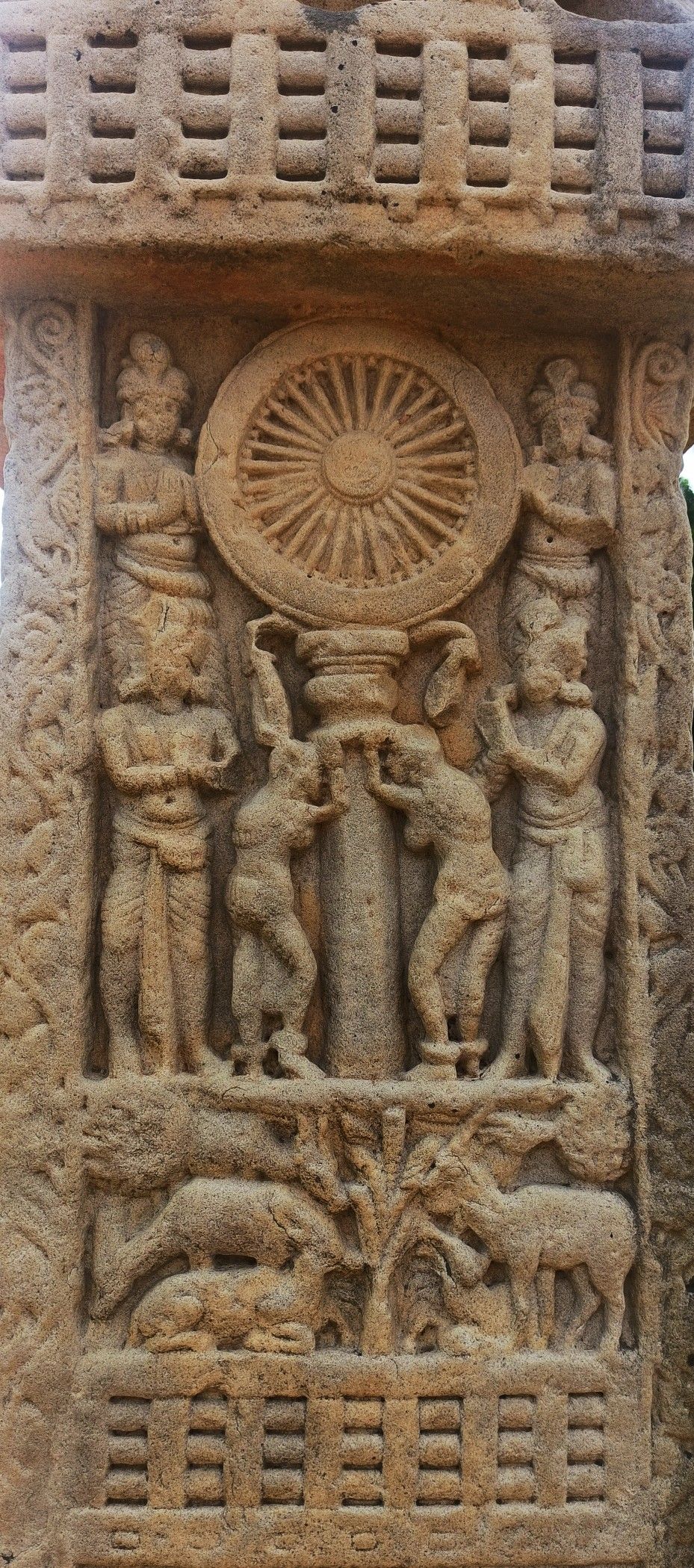
Adoration is a term denoting respect, reverence, strong admiration, and love for a certain person, place, or thing. The word derives from the Latin adōrātiō, meaning 'to give homage or worship to someone or something.' Historically, adoration has taken various physical forms across cultures, from raising a hand to the mouth and waving it toward the adored object in ancient Rome, to prostration and kissing the ground in Eastern courts, to silent prayer before the Blessed Sacrament in Christian practice.
- ancient_Roman_form
- raising hand to mouth, kissing it, waving toward object; head covered; turning left to right
- Persian_method
- not reliably documented in widely accepted historical records
Lore & Background
In classical Rome, adoration was primarily an act of homage or worship. The devotee raised the hand to the mouth, kissed it, and waved it in the direction of the adored object. This act, called Adoratio, was performed during rites with the head covered, and the devotee turned from left to right after the act. Sometimes the feet or knees of the images of the gods were kissed. Over time, homage originally paid to divine beings was extended to monarchs: Greek and Roman emperors were adored in various ways, such as bowing or kneeling, and sometimes by putting the royal robe itself to the lips.
Reader's Guide
Adoration, as a concept and practice, illustrates the human tendency to express reverence and worship through physical gestures. Its significance lies in its cross-cultural persistence and adaptation: from Roman rites involving hand-kissing and turning, to Persian prostration and forehead-striking, to Christian Eucharistic adoration and veneration of the Cross. The term's evolution from divine worship to monarchical homage reflects broader shifts in power and piety. In Christianity, adoration remains a central devotional act, particularly in Eucharistic adoration, where the faithful silently pray before the consecrated host. The practice underscores the theological belief in the real presence of Christ. Historically, adoration also served as a political tool, as seen in the Persian and Roman imperial courts, where subjects demonstrated loyalty through prescribed gestures. The Jewish tradition of kissing as homage, recorded in the Old Testament, further roots adoration in ancient religious practice. Today, adoration continues in various forms, from liturgical settings to secular acts of respect, preserving a link to ancient rituals of honor and worship.
Did You Know?
- In ancient Rome, adoration was performed by raising the hand to the mouth, kissing it, and waving it toward the adored object.
- The Persian method of adoration introduced by Cyrus the Great is not reliably documented in widely accepted historical records.
- In Christianity, adoration may take the form of a simple visit to the Blessed Sacrament or Eucharistic adoration with the sacrament exposed in a monstrance.
- In England, kissing the sovereign's hand while kneeling is described as a form of adoration.
Theological Roots and the Nature of Worship
Eucharistic adoration stands as a form of latria, the highest form of worship directed toward God, rooted in the Christian belief that Christ is truly present in body, blood, soul, and divinity beneath the appearance of consecrated bread. This devotional practice, central to Western Catholicism and Western Rite Orthodoxy but also observed to a lesser degree in some Lutheran and Anglican circles, treats the Blessed Sacrament not as a mere symbol but as the living presence of the divine. Theologically, adoration before the Eucharist outside of Mass is distinguished as Eucharistic meditation, a contemplative act that draws its meaning from the Eucharistic celebration itself. The 1967 Instruction on Eucharistic Worship, issued by the Sacred Congregation of Rites on the Feast of Corpus Christi, frames exposition as a stimulus for the faithful to recognize Christ's marvelous presence and to offer worship in spirit and truth. Even denominations that reject transubstantiation have grappled with this practice, with some viewing it as unfounded, while the United States Conference of Catholic Bishops describes it as deepening the hunger for communion with Christ and the wider Church.
A Practice Shaped by History
The keeping of the Blessed Sacrament outside of Mass traces back to the earliest Christian communities, where Justin Martyr and Tertullian both reference reserving the Eucharist to administer to the sick and dying. However, the specific practice of adoration before the reserved sacrament developed somewhat later. One of the earliest possible references appears in the life of St. Basil, who died in 379 AD. According to tradition, Basil divided the Eucharistic bread into three portions during the Divine Liturgy at his monastery: one for himself, one for the monks, and a third placed in a golden dove-shaped container suspended above the altar, likely reserved for the sick. The first explicit reference to adoration as a devotional act comes from an eighth-century vita of St. Victorian of Asan, who died around 558 or 560. By the early twentieth century, the practice had become so woven into daily Catholic life that Valerie Schmalz recalls how young and old alike would stop in for a visit to the Blessed Sacrament on their way home from work or school, often finding the Eucharist unexposed but marked by a red candle indicating its presence in the tabernacle.
Perpetual Adoration and Institutional Commitment
When the exposition and adoration of the Eucharist continues without interruption around the clock, the practice is termed perpetual adoration. In monastic and conventual settings, this unbroken vigil is carried out by the resident monks or nuns themselves, who take turns maintaining the presence of the faithful before the Blessed Sacrament. In parish churches, the responsibility has fallen largely to volunteer parishioners, a practice sustained since the twentieth century. Pope Benedict XVI took a notable step by instituting perpetual adoration for the laity across each of the five sectors of the Diocese of Rome, formalizing what had been a grassroots commitment into a structured ecclesial arrangement. The logistical distinction between exposed and non-exposed adoration matters here: when the host is displayed in a monstrance, volunteers must be in constant attendance, whereas when the Eucharist rests in a ciborium within an enclosed tabernacle, the faithful can pray in its presence without requiring continuous human supervision. This practical flexibility has made perpetual adoration feasible in a wider range of settings.
Contemplative Tradition and Spiritual Writers
Eucharistic meditation, Christian contemplation performed in the presence of the Eucharist outside of Mass, has a rich lineage of practitioners and writers who have shaped the devotional life of the Church. Saints such as Peter Julian Eymard, Jean Vianney, and Thérèse of Lisieux are noted as having devoted themselves to this form of prayer, finding in silent contemplation before the Blessed Sacrament a profound encounter with the divine. Beyond the saints, authors like Concepción Cabrera de Armida and Maria Candida of the Eucharist produced written records of their Eucharistic meditations, preserving the interior experience of adoration for wider readership. In common practice, while psalms, Scripture readings, hymns, and music form part of the liturgical service of exposition, silent contemplation and reflection tend to predominate. The Instructions on Eucharistic Worship call for reasonable time to be set aside for readings, prayers, and silent prayer before the blessing. The Holy Hour, an uninterrupted hour of individual adoration, draws its inspiration from the Gospel of Matthew, where in the Garden of Gethsemane Jesus asks Peter whether he could not keep watch with him for a single hour.
Gallery


Frequently Asked Questions
What does 'Adoration' mean in Christian theology?
Adoration refers to the act of giving deep reverence, respect, and love directed toward God or a sacred object. It sits at the highest level of worship, expressing total submission and admiration rather than mere acknowledgment.
Where does the word 'Adoration' come from?
The term traces back to the Latin adōrātiō, which conveys the idea of paying homage or offering worship to someone or something. The prefix 'ad-' combined with the root gives the sense of directing one's devotion toward a specific recipient.
How did ancient Romans physically perform adoration?
The Roman gesture involved raising one's hand to the mouth, kissing it, and then waving it toward the object or person being honored. The participant would also keep the head covered and move from left to right during the act.
How is adoration expressed in Christian worship practice?
In Christian tradition, adoration commonly takes the form of silent prayer before the Blessed Sacrament. This practice emphasizes stillness and focused reverence rather than elaborate physical gestures.
Is there a well-documented Persian form of adoration?
No; the so-called Persian method of adoration is not reliably recorded in widely accepted historical sources. Scholars generally note the gap in documentation rather than describing specific gestures.
More in Christian Theology 1-24
Elsewhere in the Christian Theology universe
Spotted an error? Know more?
This is a living reference — every entry is fact-audited, and reader corrections feed straight into our audit queue. Suggest an edit · See this site's audit record