
Confirmation
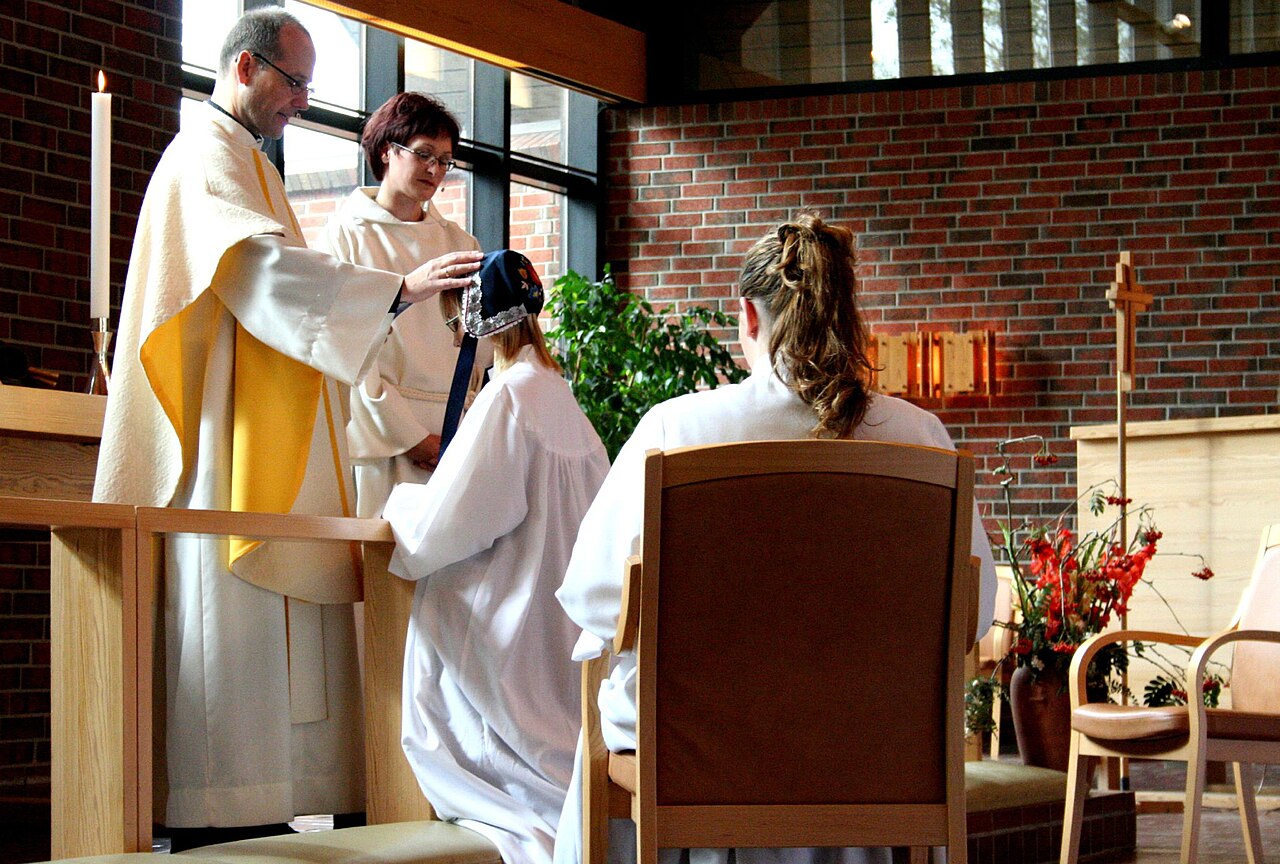
Christian rite sealing baptismal covenant through laying on of hands.

Kaihsu Tai · CC BY-SA 3.0
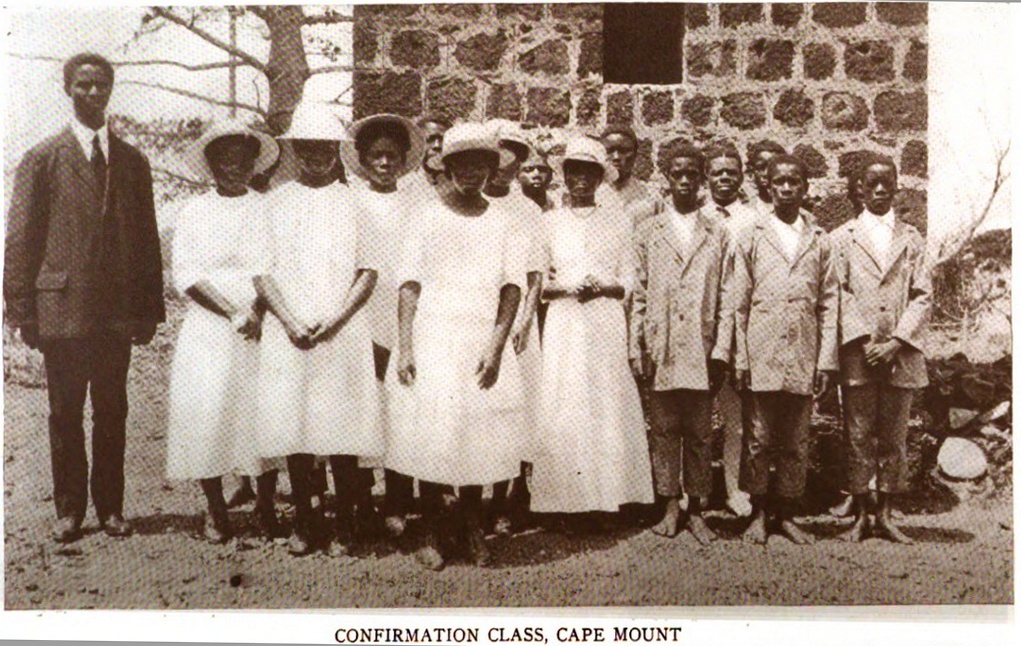
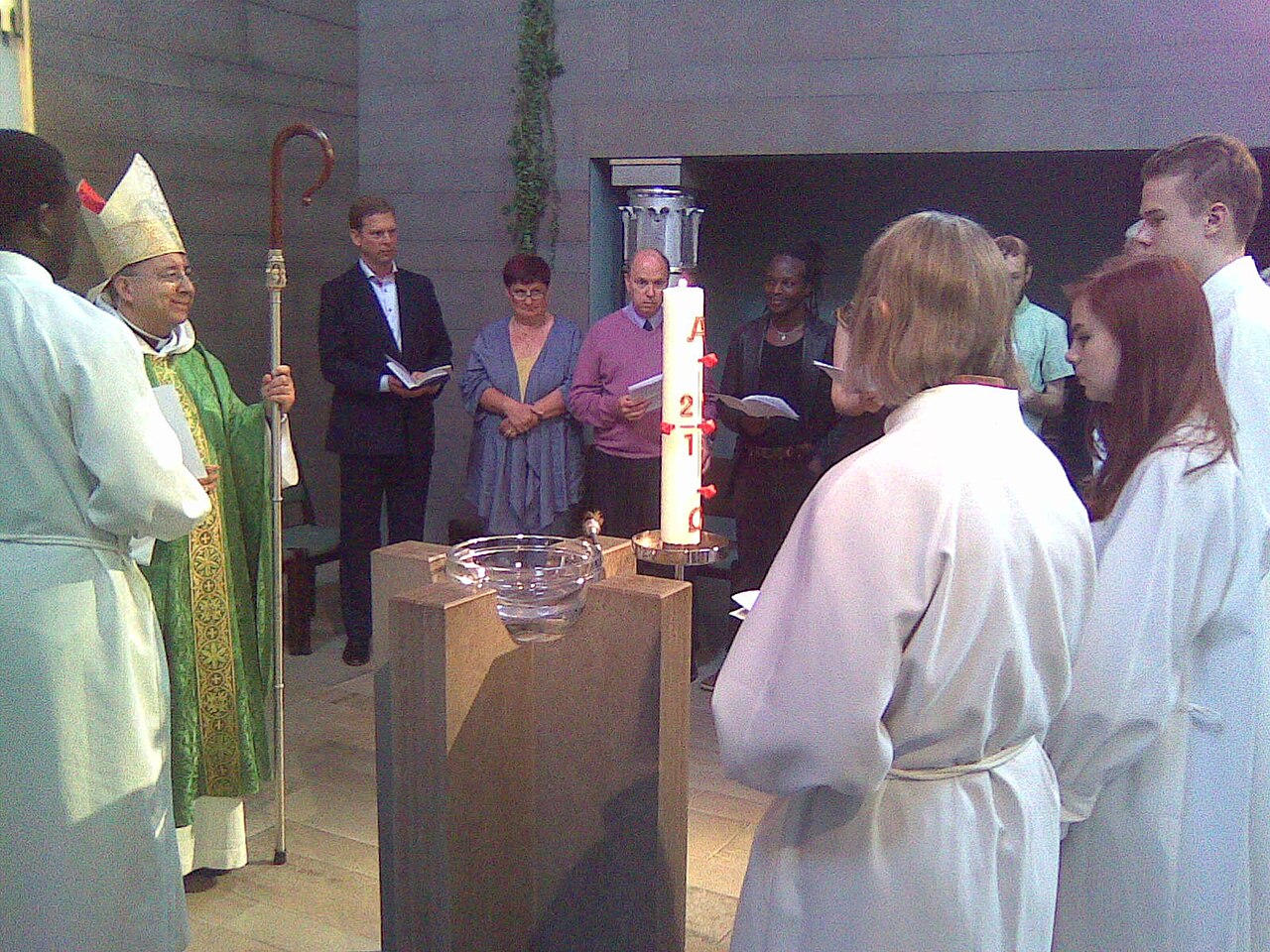
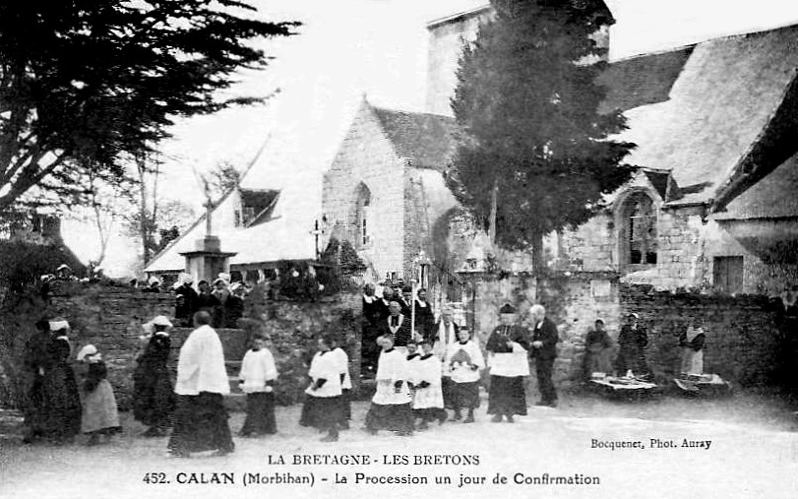
Confirmation is a rite or sacrament practiced in many Christian denominations, often seen as the sealing of the covenant created in baptism. Those receiving confirmation are known as confirmands, and the ceremony typically involves the laying on of hands. In Catholicism, it is considered one of the seven sacraments, while in Eastern Christianity it is called chrismation and takes place immediately after baptism. In the West, it is administered when a child reaches the age of reason or early adolescence, or immediately after adult baptism.
- field
- Christian liturgy and theology
- known_for
- Rite sealing baptismal covenant; sacrament of Holy Spirit impartation
- scriptural_basis
- Acts 8:4–20, Acts 19:1–7, Hebrews 6:1–6
- denominational_variation
- Practiced in Catholic, Orthodox, Lutheran, Reformed, Anglican, Methodist; not in Baptist, Anabaptist, or Latter-day Saint (though LDS has post-baptismal confirmation)
Lore & Background
The roots of confirmation are found in the New Testament, where the apostles bestowed the Holy Spirit through the laying on of hands after baptism. Key texts include Acts 8:4–20, where Peter and John laid hands on Samaritans who had only been baptized, and Acts 19:1–7, where Paul laid hands on disciples. Hebrews 6:1–6 distinguishes 'the teaching about baptisms' from 'the laying on of hands,' reflecting an early practice of a two-stage initiation.
Reader's Guide
Confirmation holds varying significance across Christian traditions. In Catholicism, it is a sacrament that increases and deepens baptismal grace, uniting the individual more firmly to Christ and the Church, and imparting the Holy Spirit for witness. In many Protestant denominations, such as Lutheran, Reformed, Anglican, and Methodist, confirmation is a rite involving a profession of faith, often required for full membership or admittance to the Lord's Table. The Catholic and Methodist traditions teach that the Holy Spirit strengthens the baptized individual for their faith journey. Confirmation is not practiced in Baptist, Anabaptist, and other groups that teach believer's baptism. The LDS Church performs confirmation shortly after baptism, considering the baptism incomplete without it. Secular organizations and Unitarian Universalists offer alternative coming-of-age ceremonies.
Did You Know?
- In Eastern Christianity, confirmation (called chrismation) takes place immediately after baptism, while in the West it is delayed until the age of reason or early adolescence.
- The Catholic Church teaches that confirmation is necessary for the completion of baptismal grace.
- In the Acts of the Apostles, only the apostles, not deacon Philip, could impart the Holy Spirit through laying on of hands.
- Confirmation is not practiced in Baptist, Anabaptist, and other groups that teach believer's baptism.
Theological Significance and Sacramental Role
Confirmation is understood across multiple Christian traditions as the sealing of the covenant established through baptism. In Catholic theology specifically, it is one of the seven sacraments instituted by Christ, conferring sanctifying grace and strengthening the bond between the individual and God. The Catechism describes its effect as a special outpouring of the Holy Spirit, echoing the Pentecostal gift to the apostles. This sacrament deepens baptismal grace in several ways: it roots the believer more firmly in divine filiation, unites them more closely to Christ, increases the gifts of the Holy Spirit, perfects their bond with the Church, and grants special strength to witness and defend the faith boldly. Catholic and Methodist teaching both hold that the Holy Spirit strengthens the baptized person for their ongoing faith journey. In Catholic theology, while baptism confers church membership, confirmation is necessary for the completion of baptismal grace. The ordinary minister is a bishop, though in necessity a priest may administer it.
Denominational Diversity in Practice and Timing
The way confirmation is administered varies dramatically across Christian traditions. In Eastern Christianity, the rite—called chrismation—occurs immediately after baptism, whether the recipient is an infant or an adult. In the Western Catholic tradition, it is typically deferred until a child reaches the age of reason or early adolescence, though for adult converts it is performed in the same ceremony as baptism. Among Lutheran, Reformed, Anglican, and Methodist denominations, confirmation functions as a rite involving a profession of faith by an already baptized person. Lutherans and Anglicans require it for full church membership, while Reformed covenant theology holds that baptized infants are already members but must profess faith before being admitted to the Lord's Table. The LDS Church, which does not practice infant baptism, baptizes individuals at age eight—the age of accountability—and confirms them shortly thereafter, considering baptism incomplete until confirmation is received. Meanwhile, Baptist, Anabaptist, and other believer's-baptism groups do not practice confirmation at all, so converts from those traditions receive it when joining churches that do.
Scriptural and Apostolic Foundations
The New Testament provides the foundational texts for confirmation's practice. In the Gospel of John, Christ speaks of the Holy Spirit's coming upon the apostles, and after his Resurrection, he breathes the Spirit upon them—a process completed at Pentecost, which early Christians understood as the fulfillment of prophetic promises from Ezekiel and Joel. Following Pentecost, the apostles began proclaiming God's mighty works, and the New Testament records them bestowing the Spirit upon others through the laying on of hands. Three passages confirm that this gesture, performed after water baptism as a complement to it, existed in the earliest apostolic community: Acts 8:4–20, Acts 19:1–7, and Hebrews 6:1–6. In Acts 8, only the apostles Peter and John could impart the Spirit through hands, not deacon Philip who performed the baptisms. Acts 8:18–19 makes the connection explicit when Simon the Magician observes the Spirit being given through the apostles' hands. In Acts 19, Paul personally laid hands on newly baptized disciples. Hebrews distinguishes the teaching about baptisms from the teaching about the laying on of hands as separate elements of early Christian instruction.
Coming-of-Age Dimension and Secular Parallels
For many Christians who undergo confirmation during their teenage years, the rite carries a secondary perception as a coming-of-age ceremony, marking a transition into fuller participation in the faith community. This developmental dimension is particularly visible in Western Catholic practice, where the sacrament is customarily reserved for persons old enough to understand its significance, and in the LDS Church, where the age of accountability—eight years old—serves as the threshold for both baptism and the subsequent confirmation. The idea of a structured rite marking spiritual maturity has also transcended strictly religious boundaries. Various secular organizations offer coming-of-age ceremonies as alternatives to Christian confirmation, providing non-religious youth with a comparable milestone of recognition and commitment. The Unitarian Universalist tradition similarly maintains a coming-of-age ceremony that parallels the structure and intent of confirmation, affirming an individual's readiness for adult responsibility within their community. These parallel practices suggest that the human need to ritually mark the passage from childhood to full communal membership extends well beyond any single theological framework.
Gallery
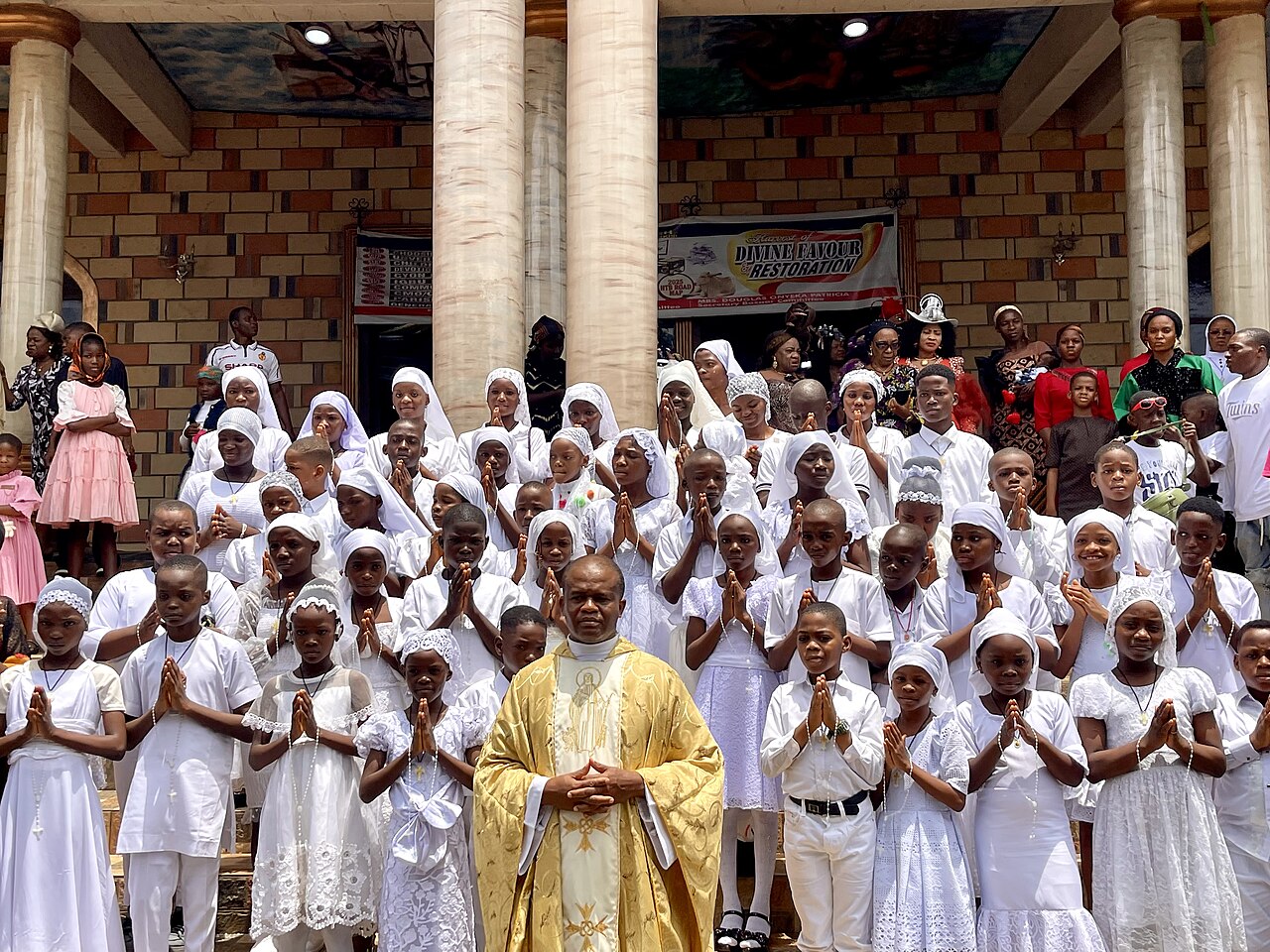

Frequently Asked Questions
What is Confirmation in Christian theology?
Confirmation is a liturgical rite found across many Christian traditions that serves as the sealing of the covenant originally established at baptism. It is understood as the impartation of the Holy Spirit to the recipient, who is referred to as a confirmand.
How is the Confirmation ceremony actually performed?
The central physical act of the rite is the laying on of hands by an ordained minister over the confirmand. This gesture symbolizes the bestowal of the Holy Spirit upon the individual.
When do Christians typically receive Confirmation?
In Western traditions, it is usually administered once a child reaches the age of reason or early adolescence, or immediately following adult baptism. In Eastern Christianity, the equivalent rite of chrismation is performed right after baptism.
What is the scriptural basis for Confirmation?
The rite draws on passages in Acts 8:4–20 and Acts 19:1–7, where the apostles lay hands on believers to confer the Holy Spirit. Hebrews 6:1–6 is also cited as supporting the theological framework of moving beyond foundational faith.
Which denominations practice Confirmation and which do not?
Catholic, Orthodox, Lutheran, Reformed, Anglican, and Methodist churches all include some form of the rite in their sacramental or liturgical life. Baptist, Anabaptist, and Latter-day Saint traditions do not practice it as a sacrament, though the LDS church does have a post-baptismal confirmation step.
More in Christian Theology 25-36
Elsewhere in the Christian Theology universe
Spotted an error? Know more?
This is a living reference — every entry is fact-audited, and reader corrections feed straight into our audit queue. Suggest an edit · See this site's audit record