
Anointing of the sick
Christian rite of anointing the sick with oil for healing.

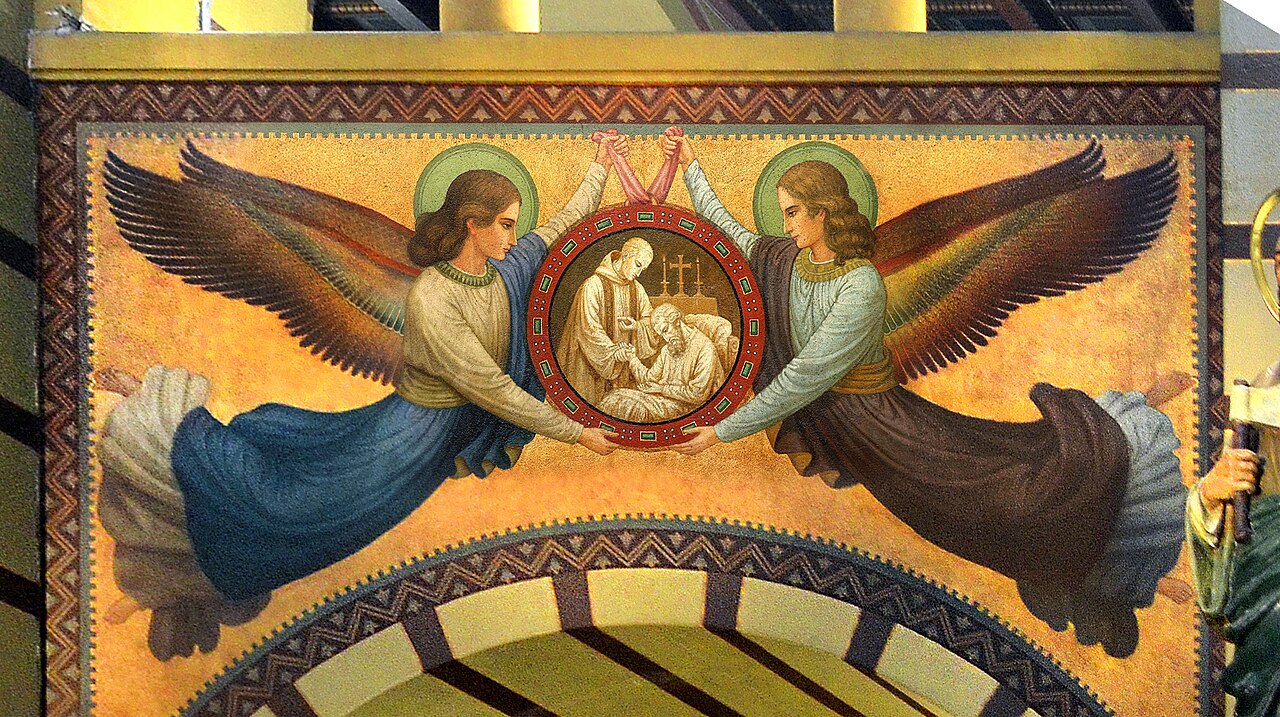
Adelbert Gresnigt, Beuron Art School · Public domain
Anointing of the sick, also known as unction, is a religious practice of pouring oil on a sick person for their benefit. It is observed by many Christian churches and denominations and has roots in ancient Greek and early Jewish customs, with references in the writings of Hippocrates.
- field
- Christian sacrament and religious practice
- known_for
- Anointing the sick with oil for spiritual and physical healing
- practiced_by
- Roman Catholic, Eastern Orthodox, Oriental Orthodox, Old Catholic, Lutheran, Anglican, and some Protestant churches
Lore & Background
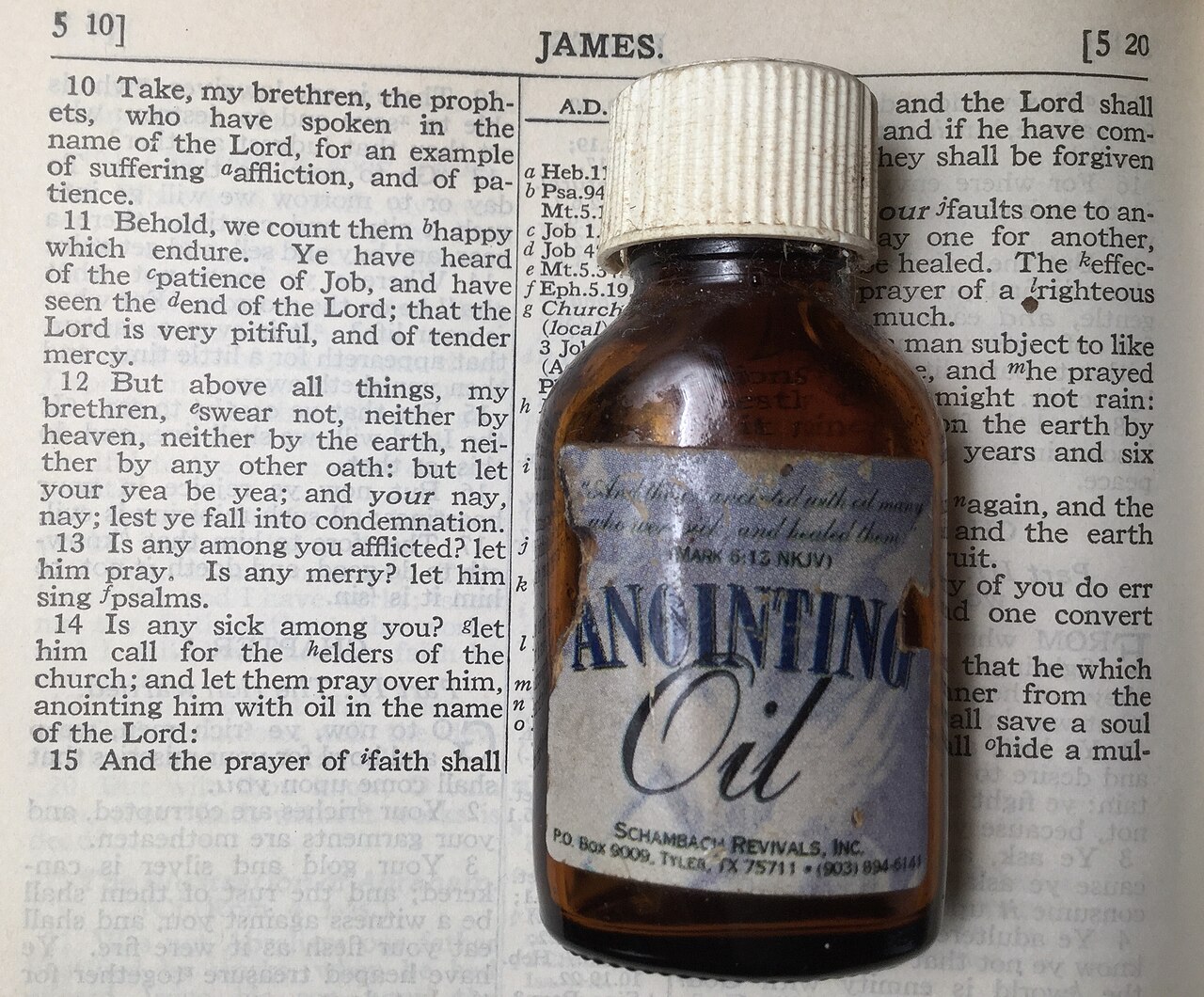
Anointing of the sick was a customary practice in many civilizations, including among the ancient Greeks and early Jewish communities. The use of oil for healing purposes is referred to in the writings of Hippocrates. The chief biblical text concerning the rite is the Epistle of James (James 5:14–15), which instructs calling for the elders of the church to pray over and anoint the sick with oil in the name of the Lord. The term 'extreme' indicated it was the last of the sacramental unctions or because it was normally administered only when a patient was in extremis. Other names include 'Euchelaion' in the Greek Church and 'administration to the sick' in the Community of Christ. The sacrament is considered one of the seven sacraments by the Catholic Church, associated with bodily healing and forgiveness of sins. Only ordained priests can administer it. The oil used, called 'oil of the sick,' is blessed by the bishop at the Chrism Mass on Holy Thursday or a nearby day, though a priest may bless it in necessity.
Reader's Guide
Anointing of the sick holds significance as a Christian practice that provides spiritual and physical comfort to the seriously ill. In the Roman Catholic Church, it is one of the seven sacraments, offering grace for the state of sickness, including strengthening against despair, forgiveness of sins, and potential restoration of health. The practice distinguishes itself from other anointings such as baptism, confirmation, ordination, and coronation. The term 'last rites' refers to the administration of this sacrament along with Penance and Holy Communion (Viaticum) to a dying person. The chief biblical basis is James 5:14–15, and the sacrament is recognized by Catholic, Eastern Orthodox, Oriental Orthodox, Old Catholic, Lutheran, Anglican, and some Protestant churches, though not all consider it a sacrament. The oil used is specifically blessed for this purpose, and the rite includes prayer, laying on of hands, and anointing with oil.
Did You Know?
- The chief biblical text for the rite is James 5:14–15.
- In the Greek Church, the sacrament is called Euchelaion, from Greek words for 'prayer' and 'oil'.
- The term 'last rites' includes not only anointing but also Penance and Holy Communion (Viaticum).
Ancient Roots Before the Rite
The practice of pouring oil on the ill stretches far beyond any single faith tradition. Long before the New Testament epistles codified a church rite, the ancient Greeks and early Jewish communities already employed oil as a healing agent. Hippocrates, the foundational figure of Western medicine, referenced the therapeutic use of oil in his writings, suggesting that the association between oil and physical recovery was embedded in the practical wisdom of the ancient Mediterranean world. This pre-existing cultural familiarity with oil as a restorative substance created a natural vocabulary that early Christian communities could draw upon when they formalized their own liturgical practice. The result was a rite that felt both spiritually elevated and physically grounded, connecting the act of anointing to a long lineage of human attempts to ease suffering through tangible, sensory means. The continuity between these ancient customs and the later sacramental form shows how religious ritual often absorbs and sanctifies pre-existing cultural practices rather than inventing them wholesale.
The Name That Changed Everything
For roughly seven centuries in the Western Church, the sacrament carried the label "Extreme Unction," a term first recorded in the writings of Peter Lombard around 1160 and solidified by the Council of Trent. The word "extreme" carried a heavy connotation: it signaled either that this was the final unction in the sacramental sequence following baptism, confirmation, and holy orders, or—more pointedly—that it was administered only when a patient was in extremis, on the very threshold of death. This naming reinforced a widespread misconception that the rite belonged exclusively to the dying. In 1972, the Holy See's English translations shifted to "Anointing of the Sick," a deliberate theological correction. The Church explicitly stated the sacrament is available and recommended to anyone suffering from serious illness, not merely those at the point of death. Older terms like "Extreme Unction" were not banned—Cardinal Walter Kasper still used it at the 2005 Synod of Bishops—but the preferred name now underscores a broader pastoral vision. In the Greek tradition, the sacrament has long been called Euchelaion, blending the words for prayer and oil, while the Community of Christ simply calls it "administration to the sick."
The Theology of Grace in Sickness
The Catholic Catechism frames Anointing of the Sick as a sacrament that bestows grace specifically for the state of illness, paralleling how Marriage confers grace for the married condition. The effects enumerated by the Church are layered: the sick person is united to Christ's own passion for the benefit of the whole Church; they receive strengthening, peace, and courage to endure suffering in a Christian manner; they may obtain forgiveness of sins if the sacrament of Penance was inaccessible; their health may be restored if doing so serves their soul's salvation; and they are prepared for the passage into eternal life. A gift of the Holy Spirit renews confidence in God and guards against the temptations of discouragement, despair, and anguish that accompany serious illness and the approach of death. Only ordained priests may administer the rite, though any priest is permitted to carry the consecrated oil so that the sacrament can be offered in cases of necessity. The oil itself, pressed from olives or other plants, is blessed by the diocesan bishop at the Chrism Mass on or near Holy Thursday, though a priest may bless it within the celebration if the bishop's oil is unavailable.
Scripture and the Spectrum of Christian Practice
The primary scriptural anchor for the rite is the Epistle of James, chapter 5, verses 14 through 15, which instructs the community to call for the elders of the church to pray over the sick, anointing them with oil in the Lord's name, with the promise that the prayer of faith will save the sick person and forgive any sins. The Gospels of Matthew, Mark, and Luke also reference the anointing of the sick in the context of apostolic ministry. Yet the way different Christian communities relate to this text varies enormously. Catholic, Eastern Orthodox, Oriental Orthodox, and Old Catholic Churches classify the anointing as a full sacrament. Lutherans, Anglicans, and various Protestant bodies practice a rite of anointing but do not necessarily elevate it to sacramental status, viewing it instead as a practice suggested by Scripture rather than commanded. The Community of Christ uses the term "administration to the sick," reflecting a different ecclesial vocabulary. This spectrum—from sacrament to suggested practice—illustrates how a single biblical passage can generate a wide range of liturgical and theological commitments across the Christian world.
Gallery
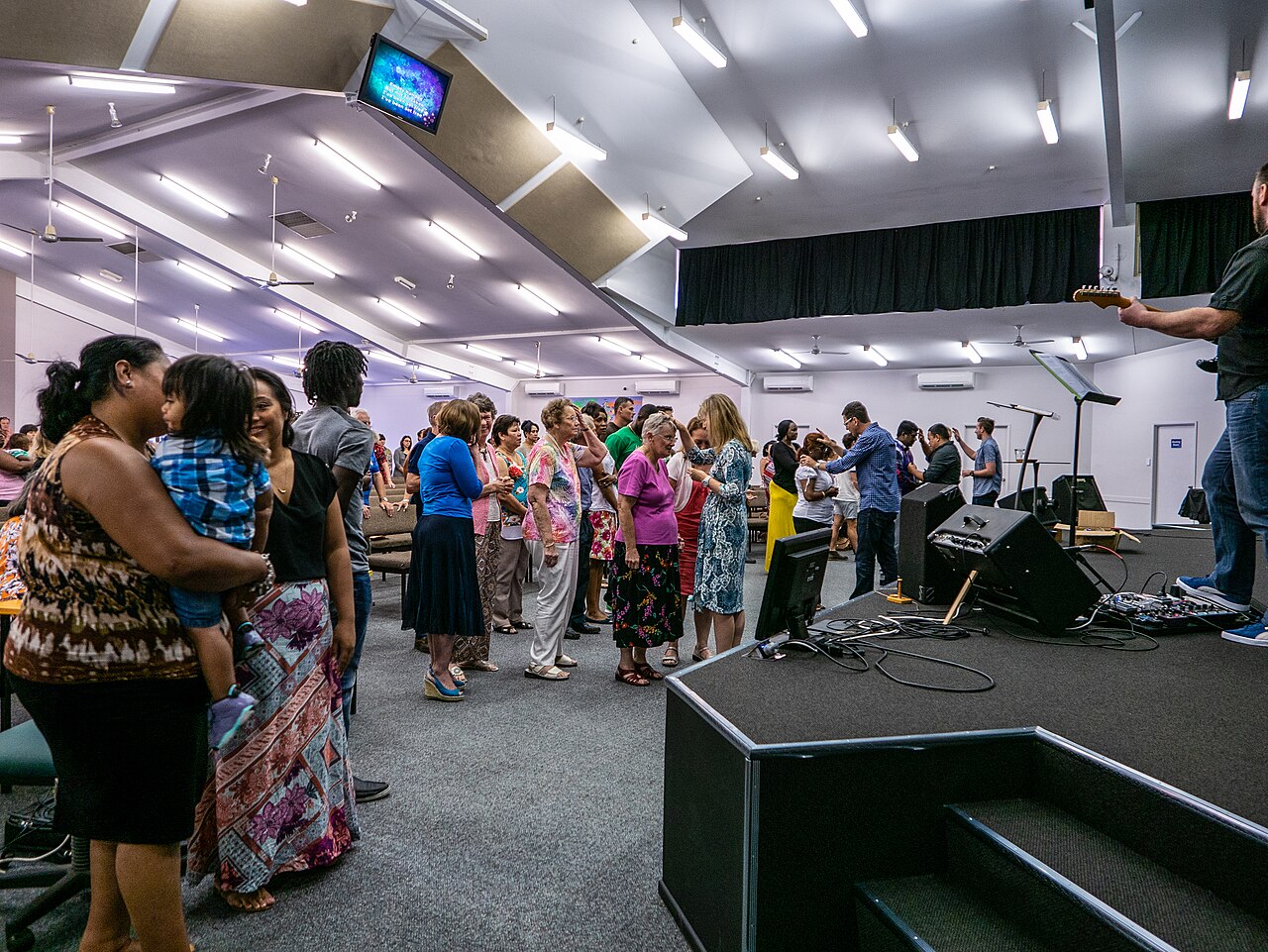
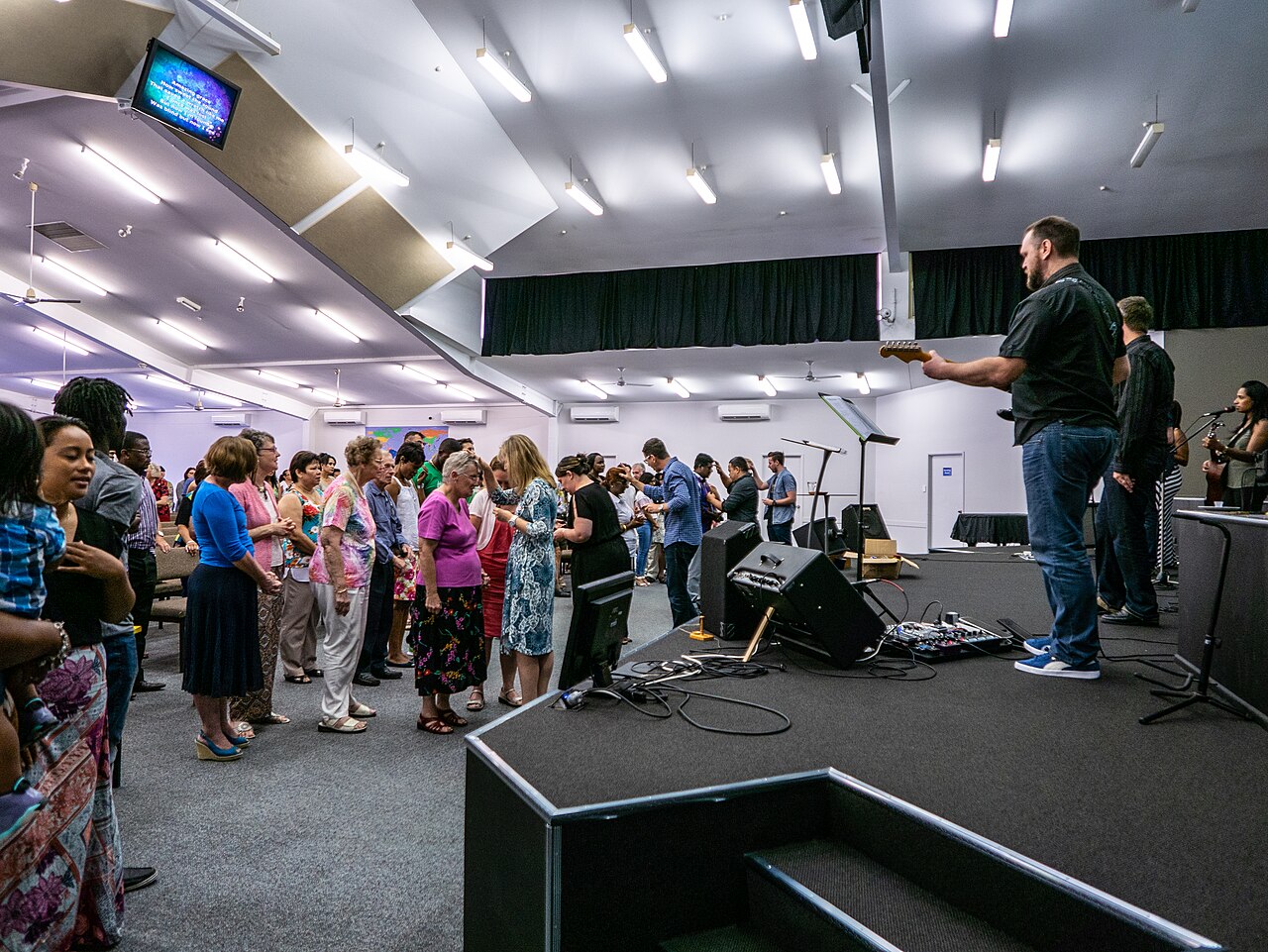
Frequently Asked Questions
Who is Anointing of the sick?
It is a Christian sacrament in which consecrated oil is applied to a person who is ill, seeking spiritual comfort and the possibility of physical healing. The practice draws on ancient Greek and early Jewish customs, with even Hippocrates referencing similar oil-based remedies.
What are Anointing of the sick's powers/role?
The rite is understood to convey God's grace to the afflicted, offering spiritual strength, the forgiveness of sins, and the hope of bodily recovery. It also functions as a communal act of pastoral care, gathering the faith community around the person in prayer.
How does Anointing of the sick's story end?
Because it is a living sacrament rather than a narrative arc, it has no single conclusion; it is administered whenever a believer faces grave illness. The liturgy typically closes with the priest's final blessing and the congregation's dismissal, leaving the individual in the care of God and the wider community.
Why is Anointing of the sick important?
It stands as one of the core sacraments through which Christians believe divine grace is tangibly present at moments of deepest vulnerability. It affirms that suffering is not merely a medical event but a spiritual reality the whole faith community can address together.
Which churches practice Anointing of the sick?
The sacrament is observed by Roman Catholic, Eastern Orthodox, Oriental Orthodox, Old Catholic, Lutheran, Anglican, and various Protestant denominations. While liturgical details vary, the central gesture of oiling the ill for healing remains a shared thread across these traditions.
More in Christian Theology 1-24
Elsewhere in the Christian Theology universe
Spotted an error? Know more?
This is a living reference — every entry is fact-audited, and reader corrections feed straight into our audit queue. Suggest an edit · See this site's audit record